Books I’ve read and what they’ve actually changed in how I think. Linked to the frameworks where relevant.
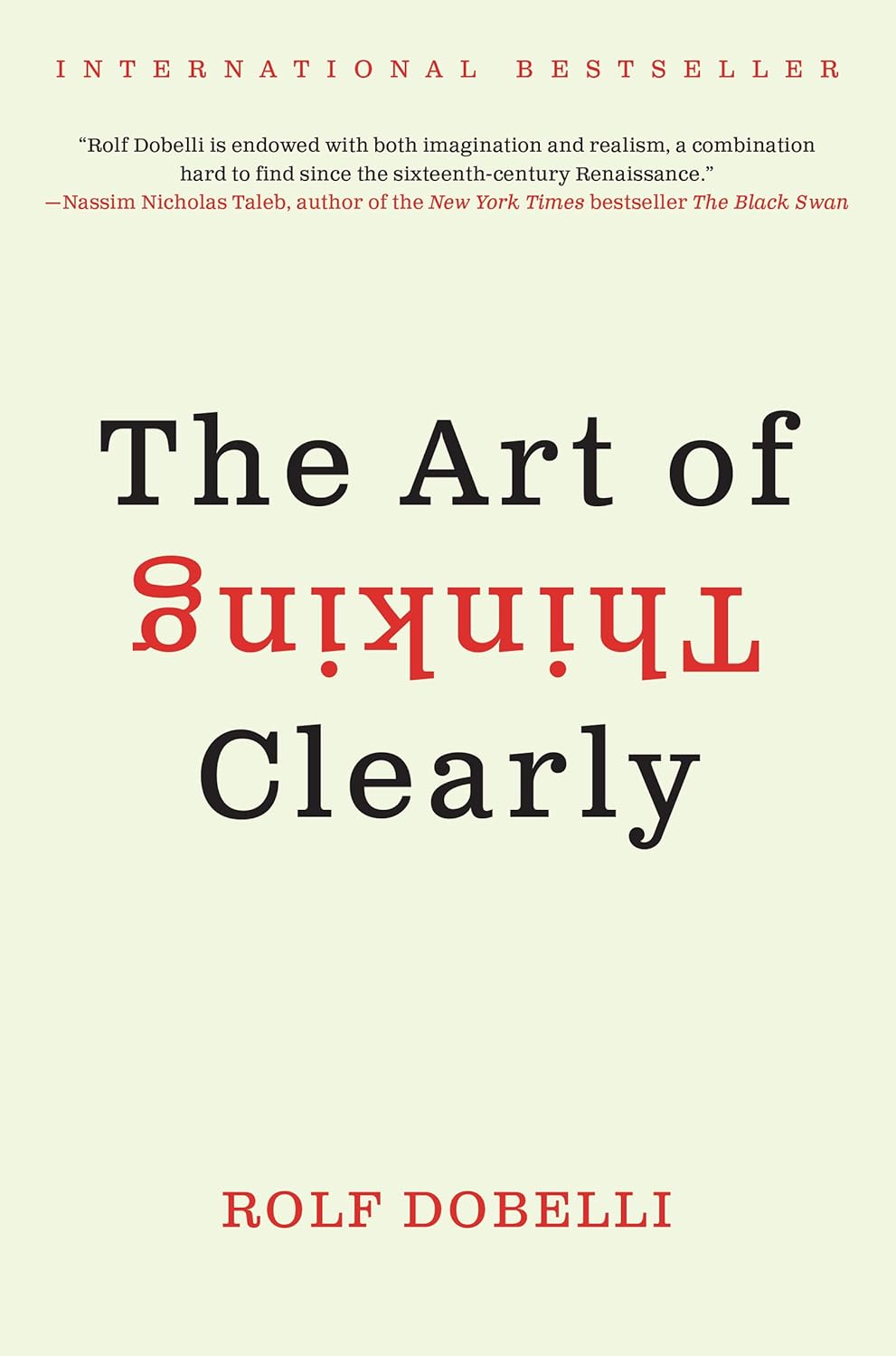
A practical guide to building applications on foundation models. It covers evaluation, fine-tuning, and the operational work that separates a demo from a system people rely on. Its attention to evaluation bears on a question I keep asking: how do you know the output is good enough to accept?
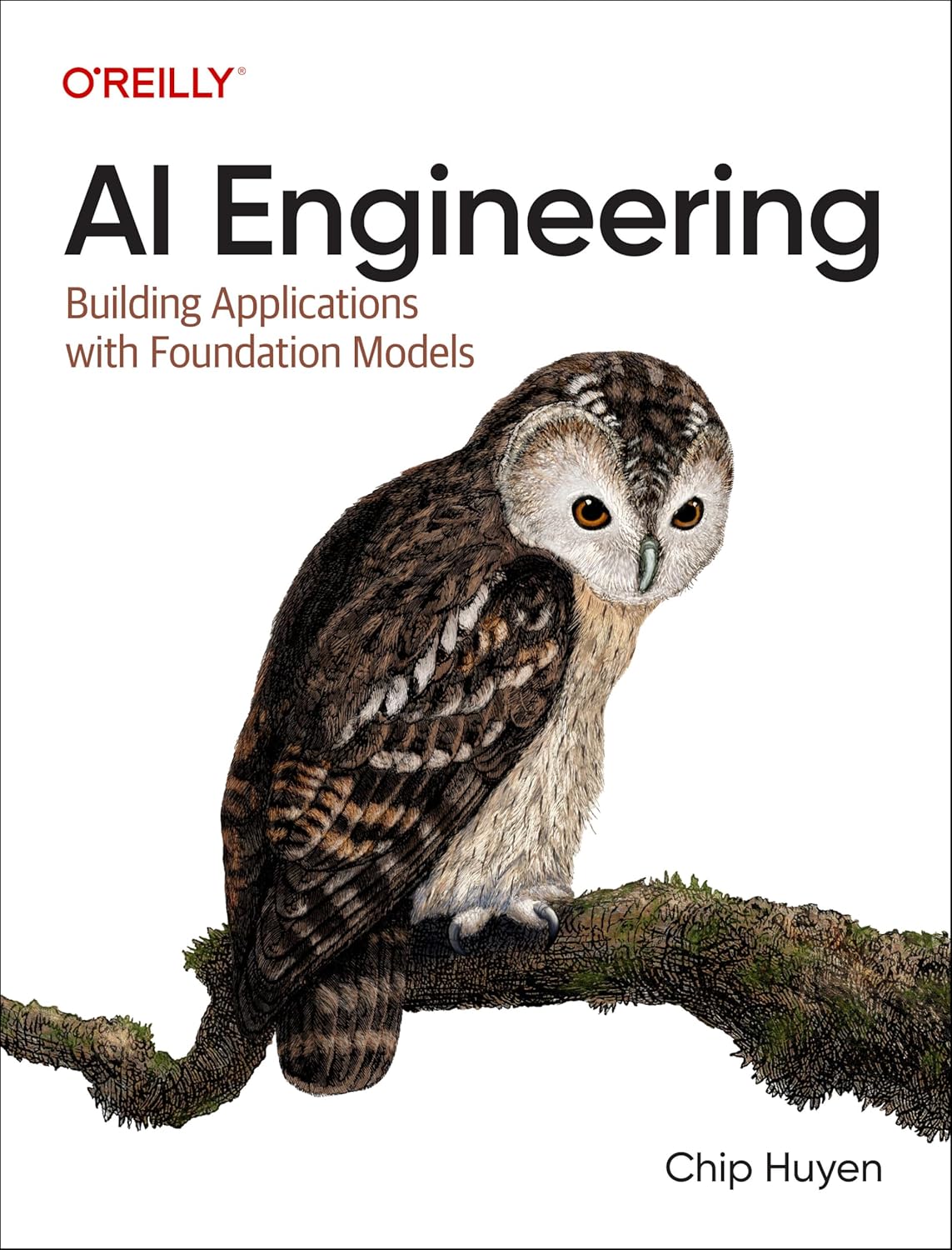
A short catalog of common thinking errors. The chapter on sunk costs is worth the read on its own, especially for investment decisions: judge a project by what it will deliver from here, not by what has already been spent.
Research on what predicts strong software delivery, built around four measures. It makes a point that applies to AI work as well: what you measure shapes what you improve.
OKRs explained: ambitious objectives paired with measurable key results. The harder lesson is about discipline. The method is simple, but tracking results honestly is where organizations struggle.
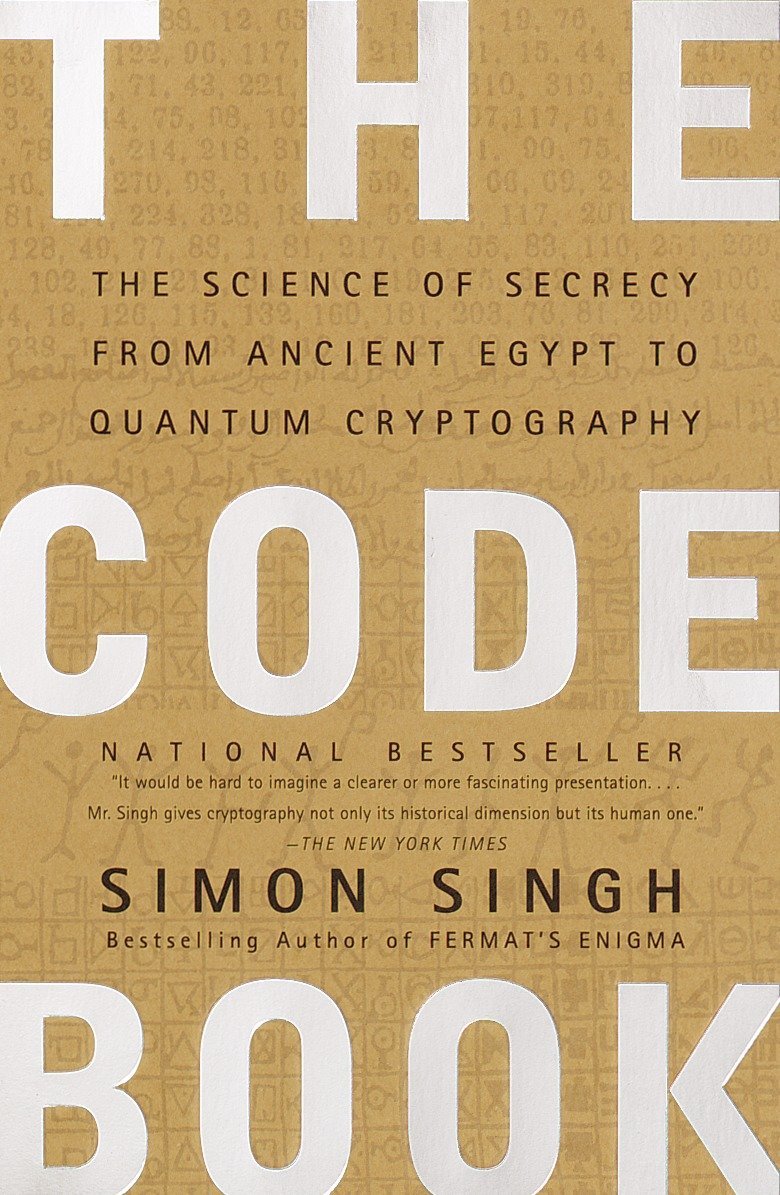
The history of cryptography, from Caesar ciphers to public-key encryption, told as a contest between code makers and code breakers. It makes the mathematics intuitive, and it shows why some protections hold because of the math and not because of a policy.
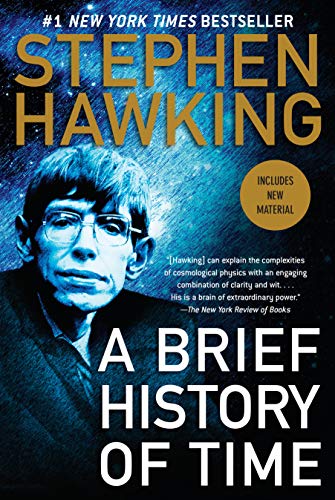
Hawking’s accessible tour of cosmology. It is worth reading as much for its tone as for the physics: confident enough to make claims, honest about which ones are provisional, and willing to revise them when the evidence changes.